Kodak AG
Box 620
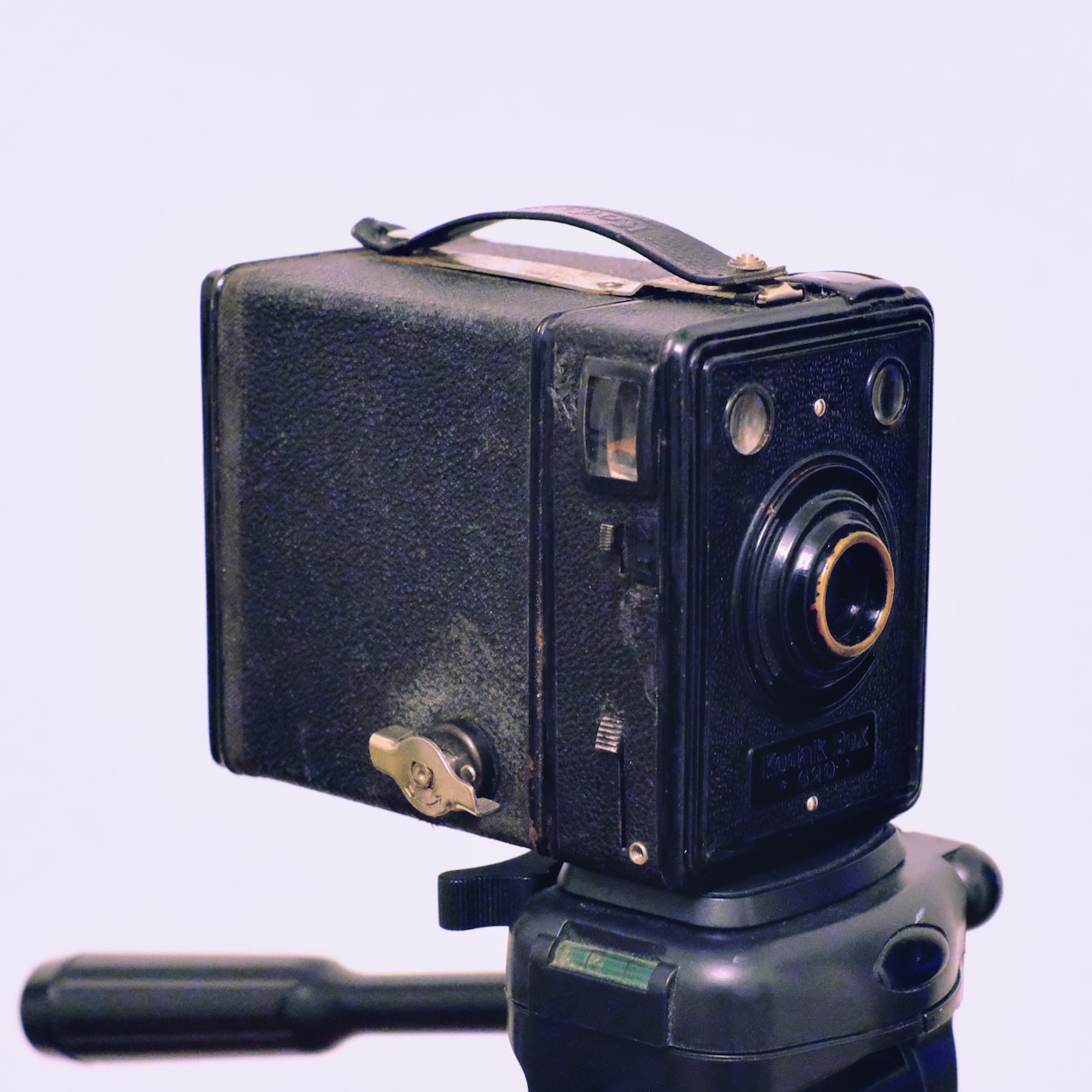
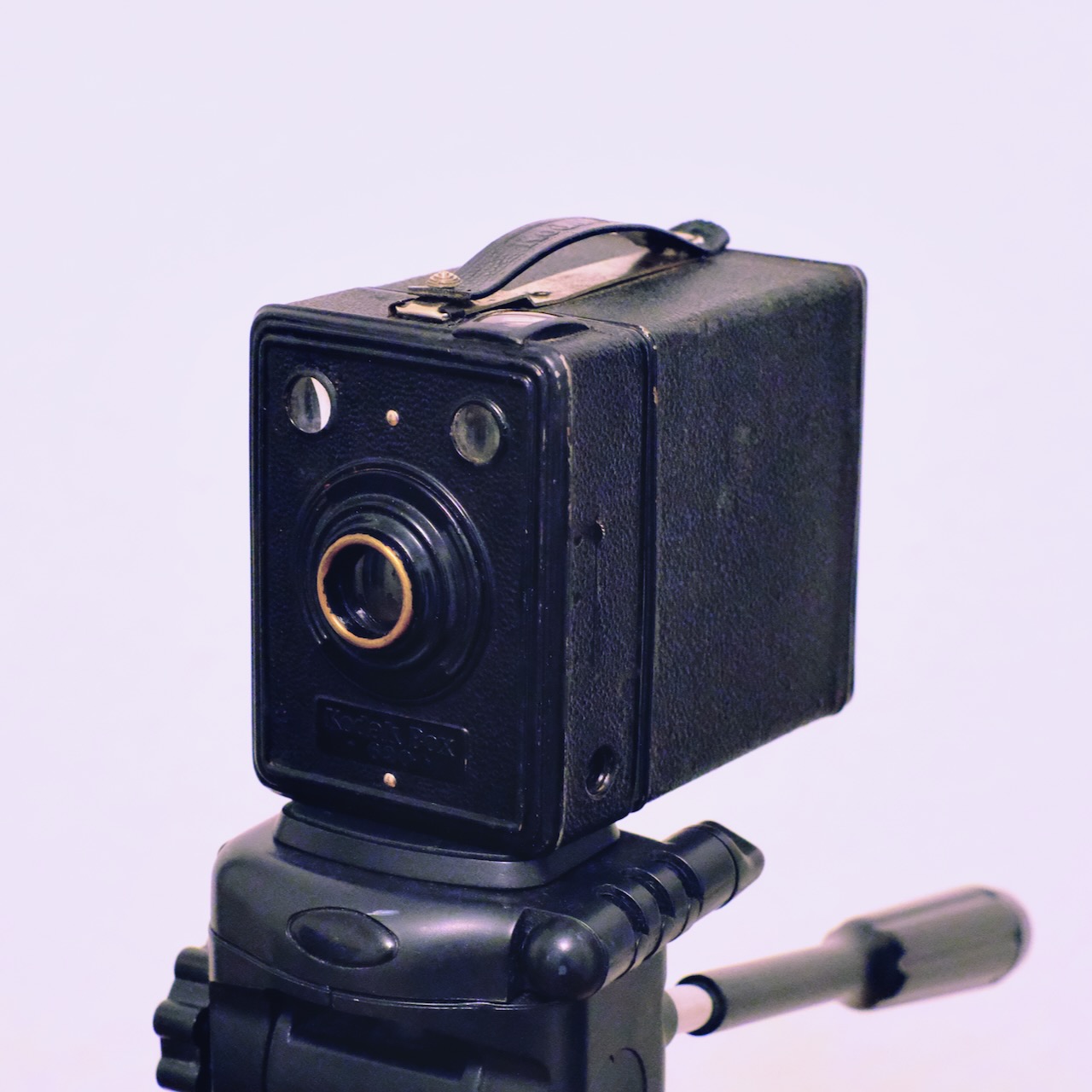
Eastman Kodak’s started producing the first successful box camera (“the Kodak camera”) in 1888, making it the first kind of a camera to become both truly affordable and accessible to most people. Unlike commonly used plate cameras of the late 19th century, you didn’t have to fiddle around with wet plates or film magazines, instead the whole process from buying a film to taking pictures to having them developed at a local store became something that everybody and their grandmother could do.
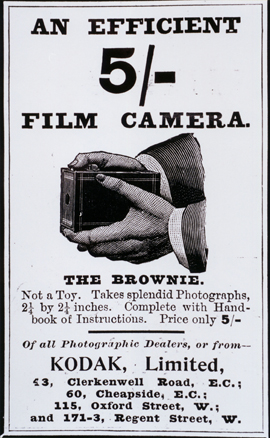
These cameras were so unbelievably cheap to produce and readily available that advertisements had to clarify that they were not toys, but real cameras. For example, a similar Kodak Brownie camera costed only 5 shillings in 1901 ($30 adjusted for 2023).
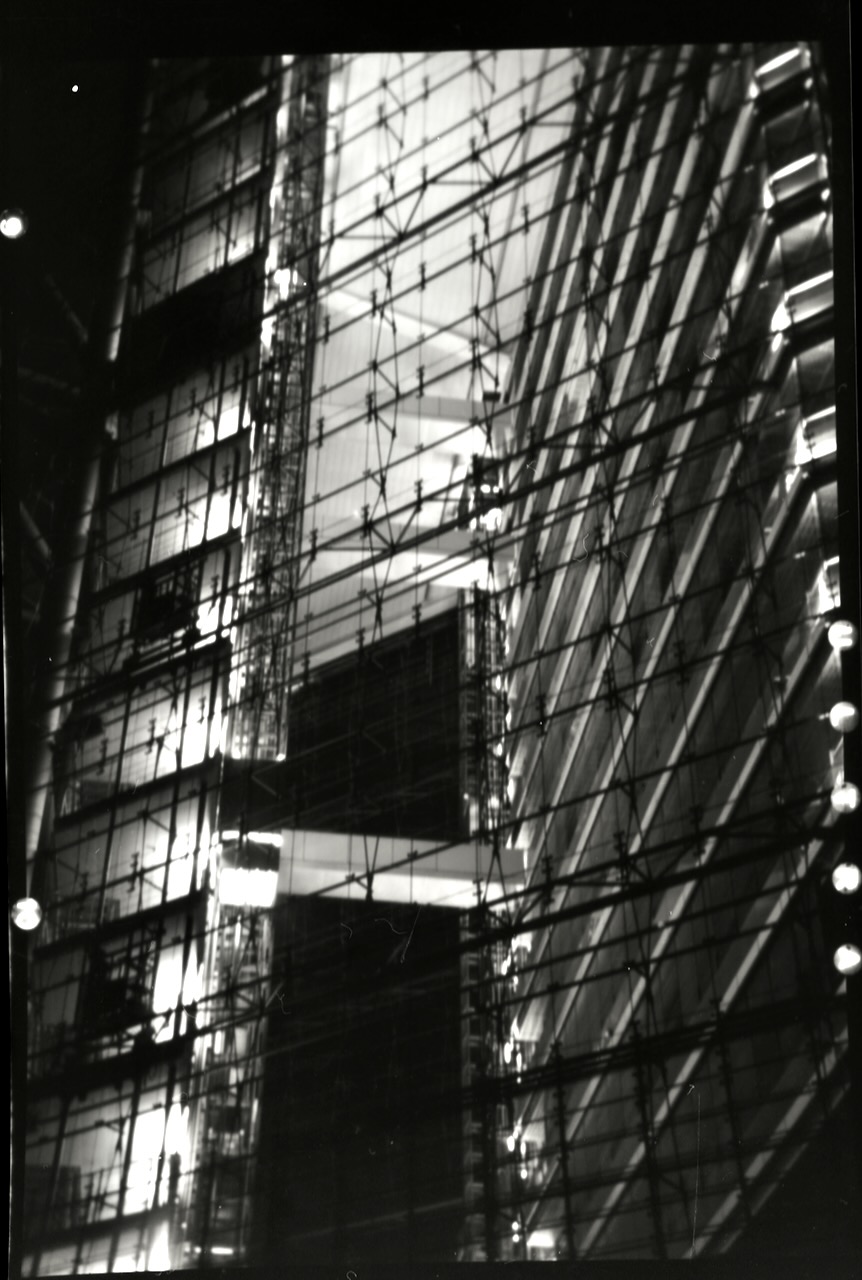
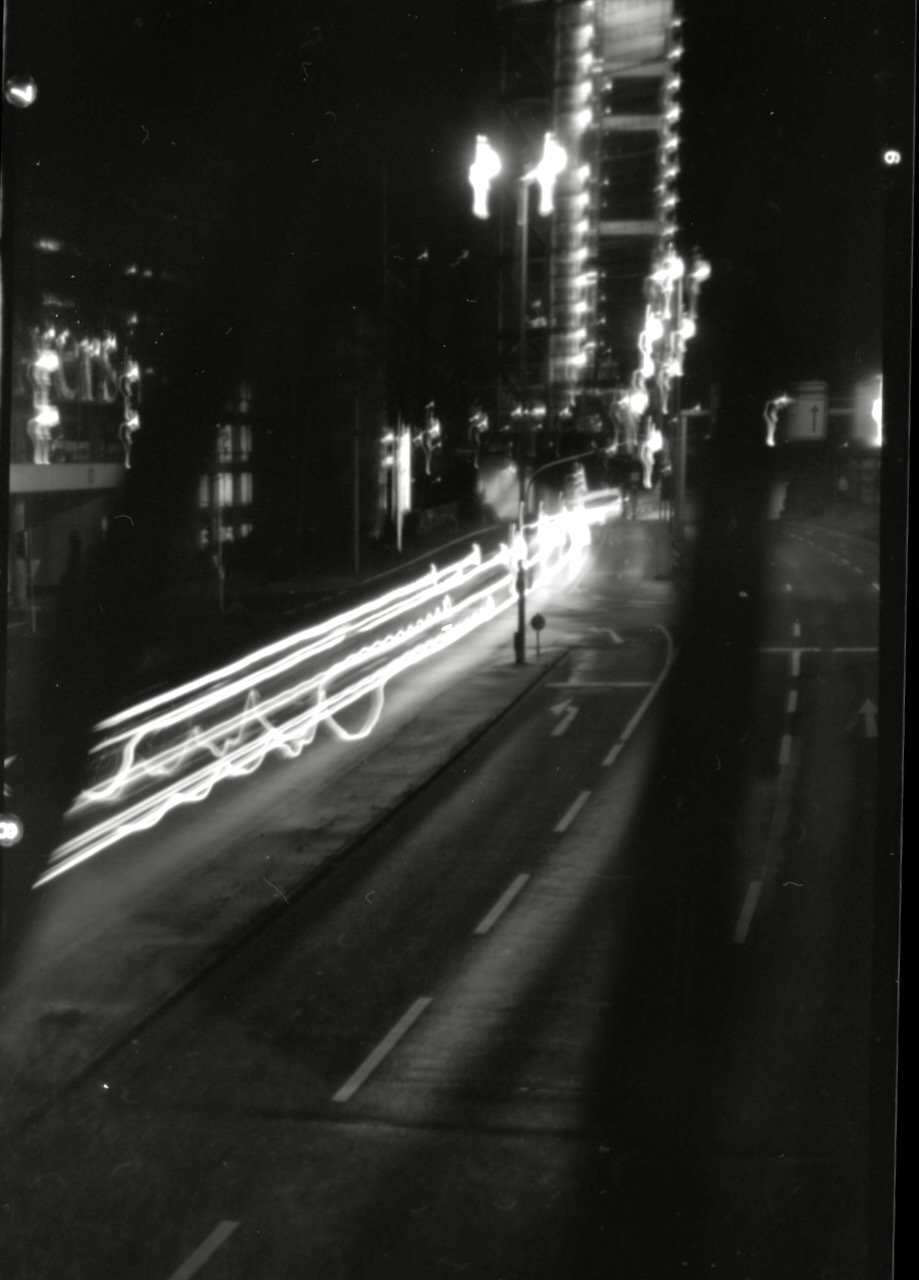
Pulling out the film advance knob and pushing the handle in unlocks the camera back, which you then simply pull off with loud metallic clank, the camera being about as sturdy as a tin can.
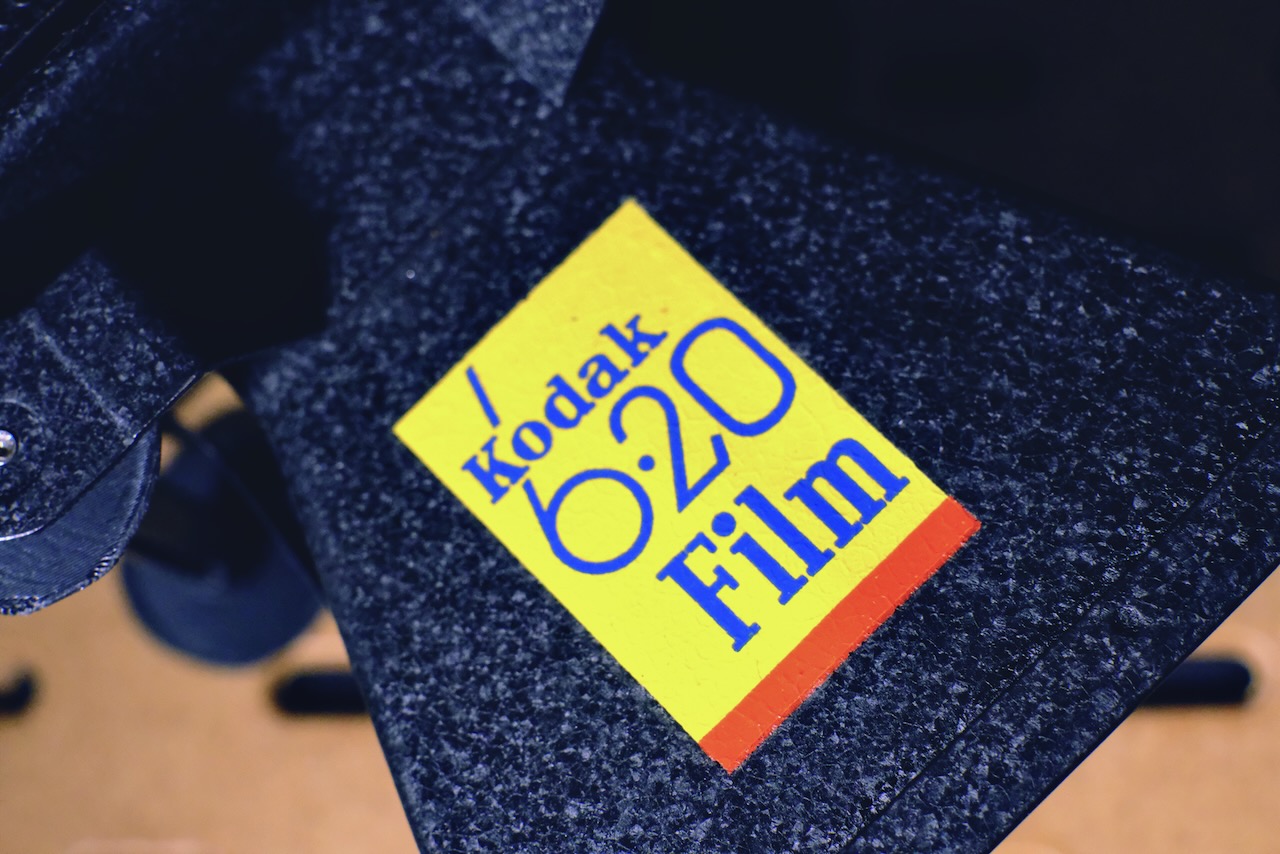
This camera uses Kodak’s proprietary 620 film, supposedly to make the camera “more compact”. The film itself is, in fact, normal 120 film rewound onto a smaller metal spool.
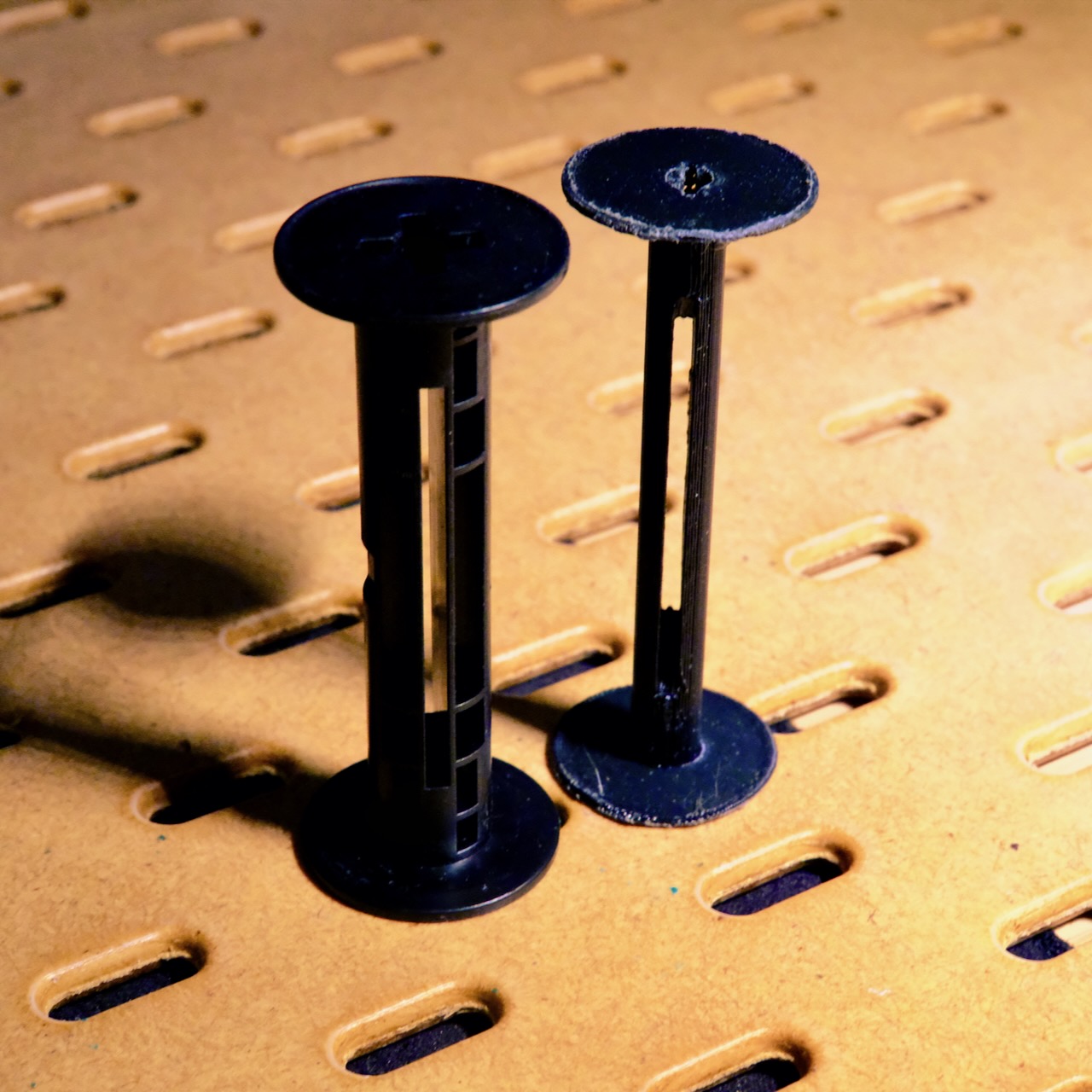
The film is then threaded from one spool onto another around the whole camera body, and the back is pushed into place again.
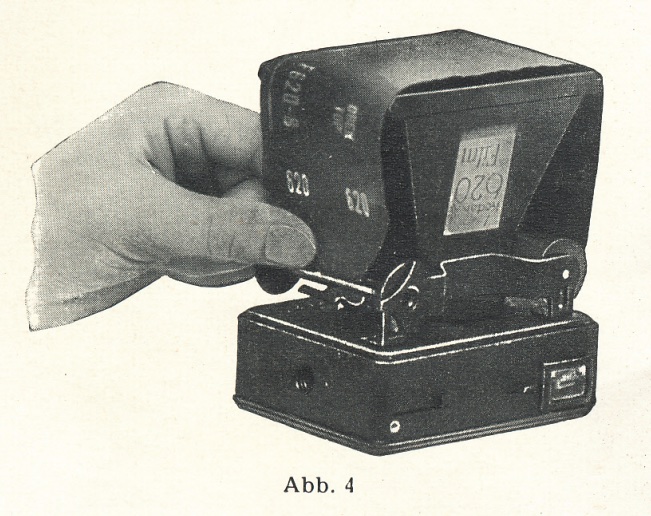
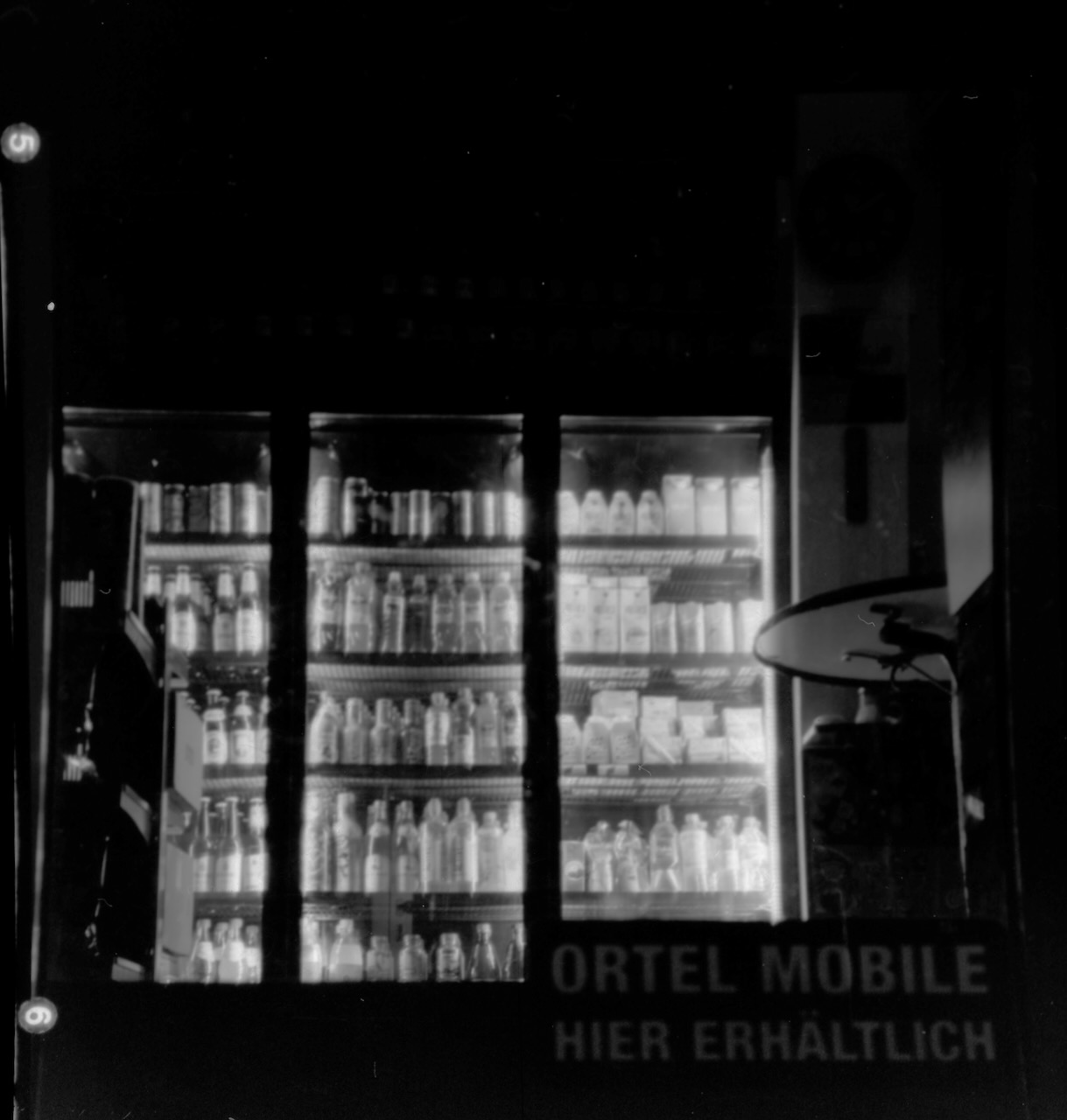
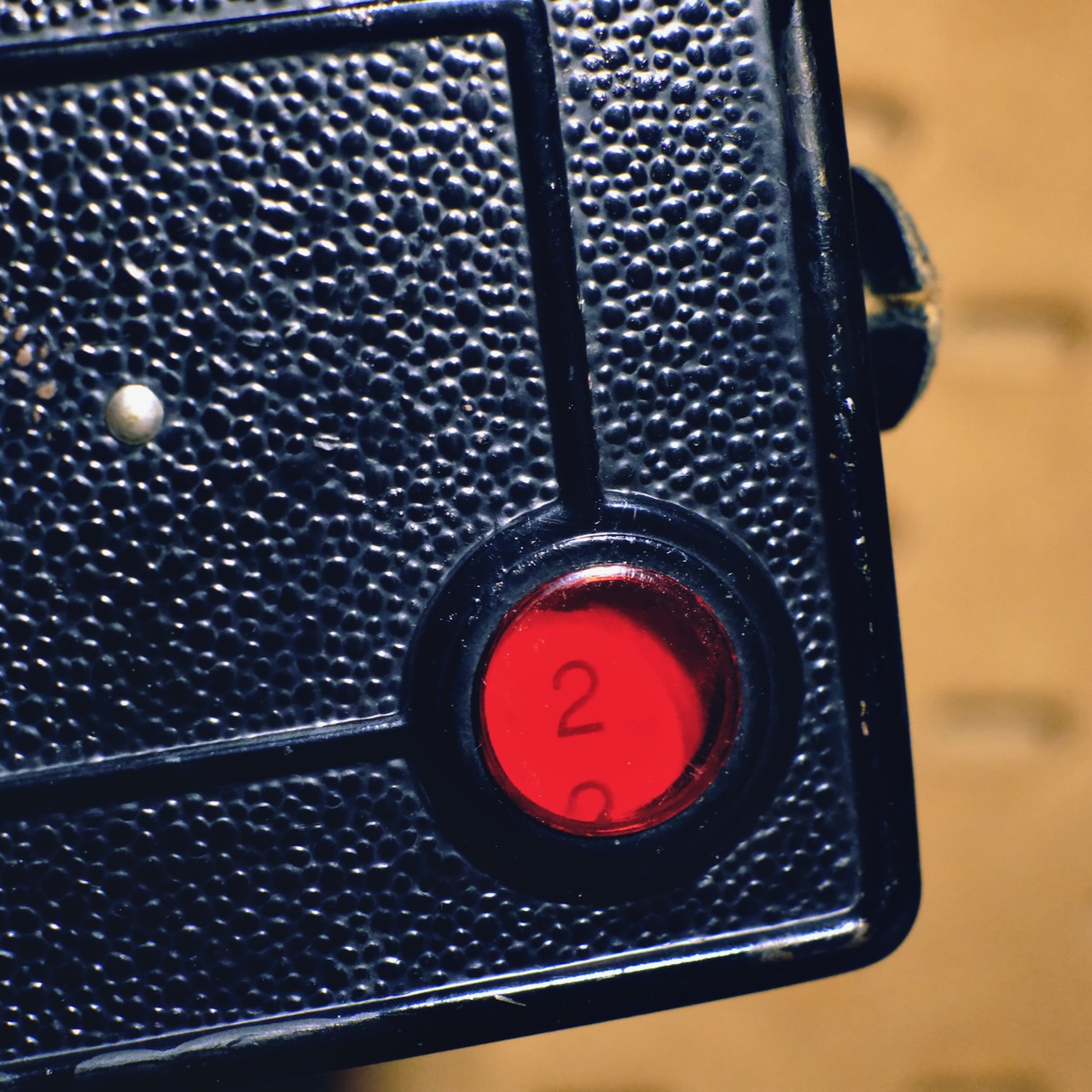
The film is advanced until the first frame number becomes lines up with the small red window on the back.
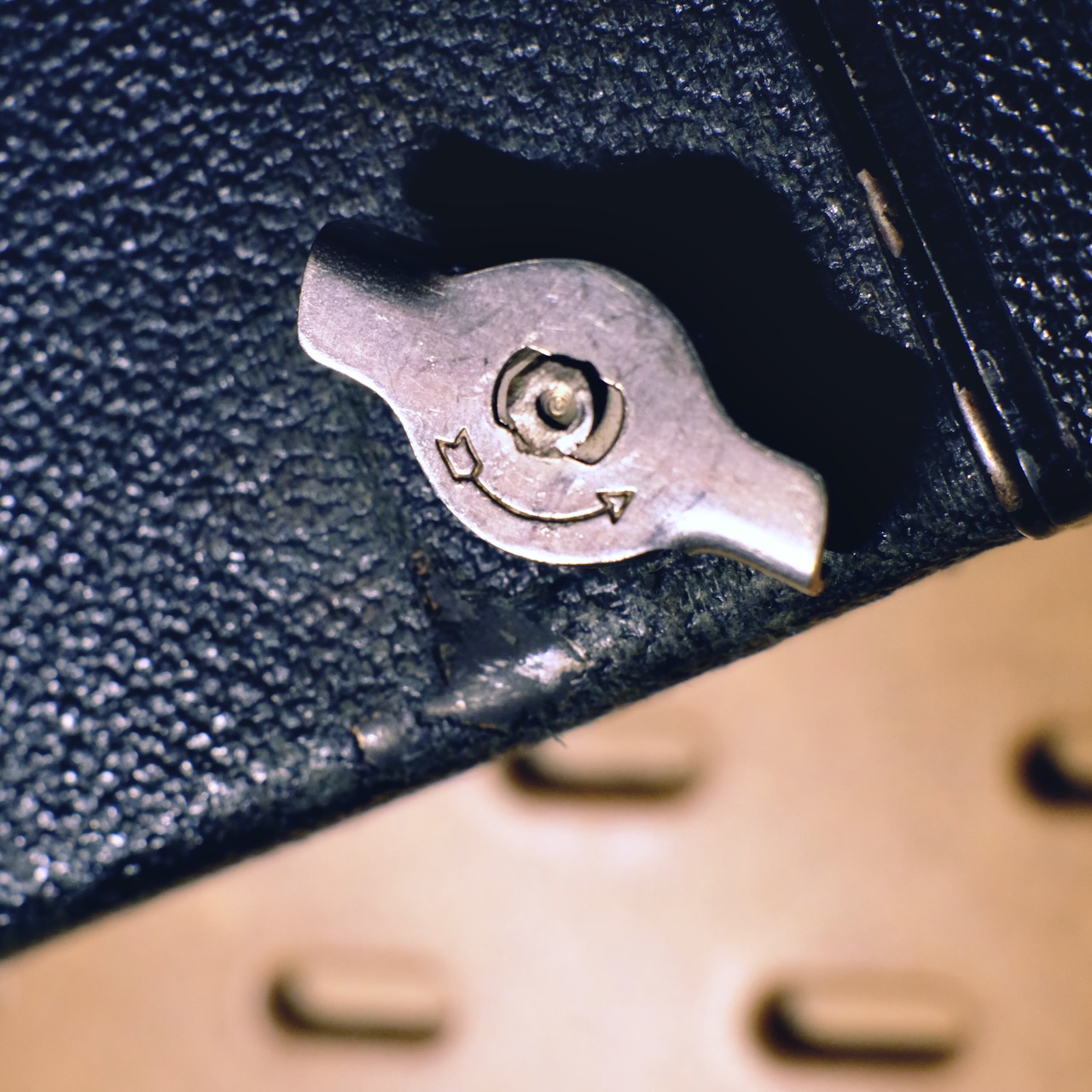
There are two brilliant finders - on the top (portrait) and the right side (landscape).
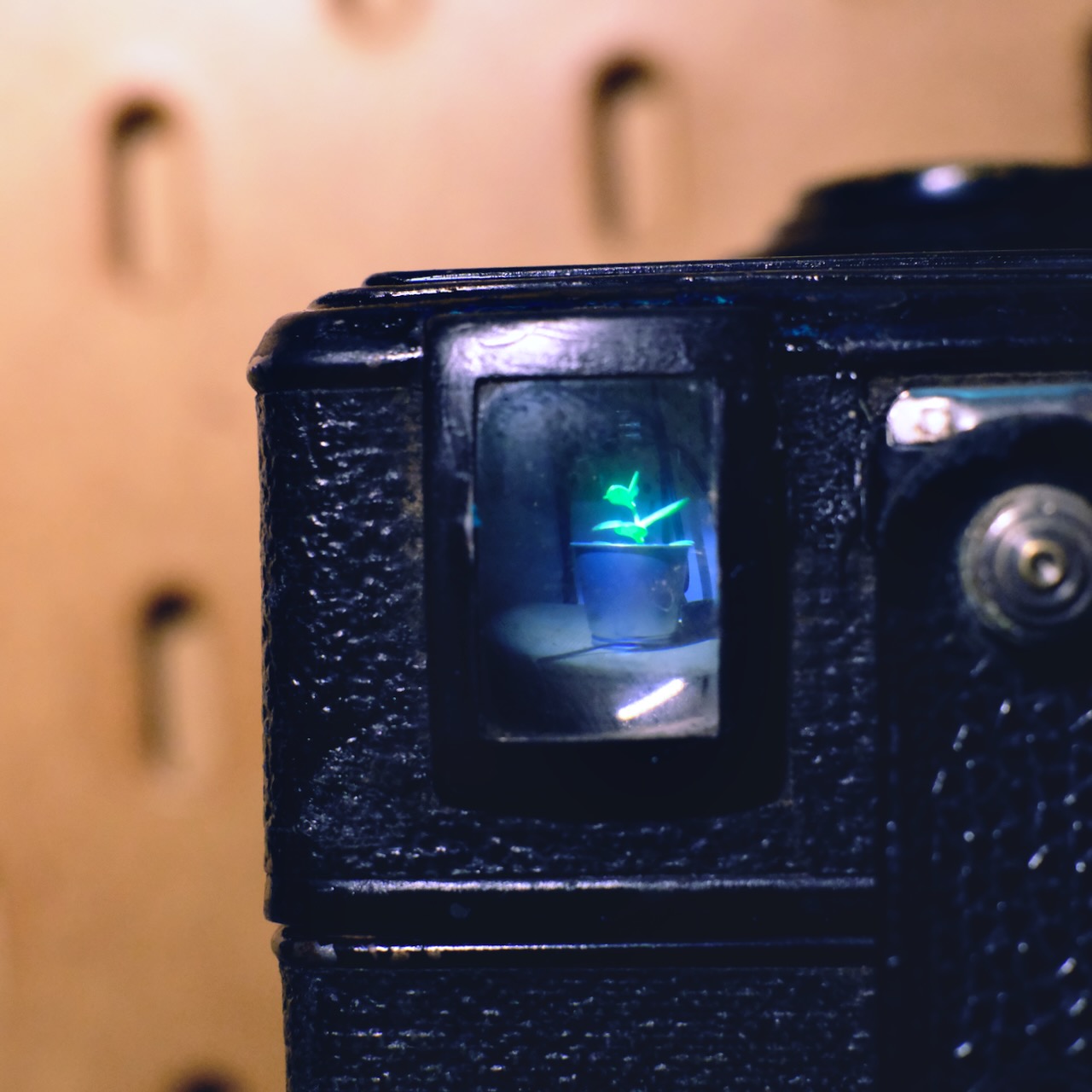
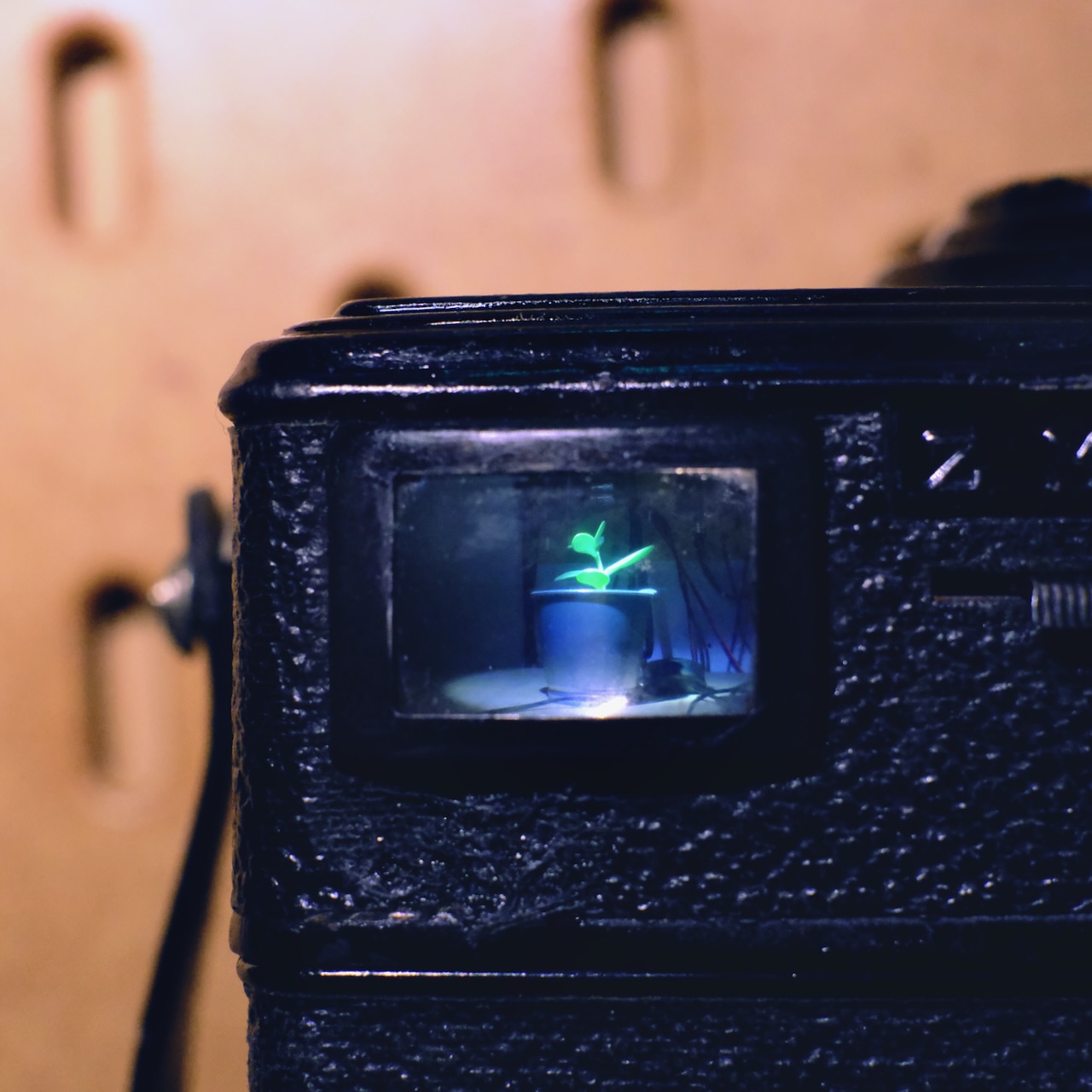
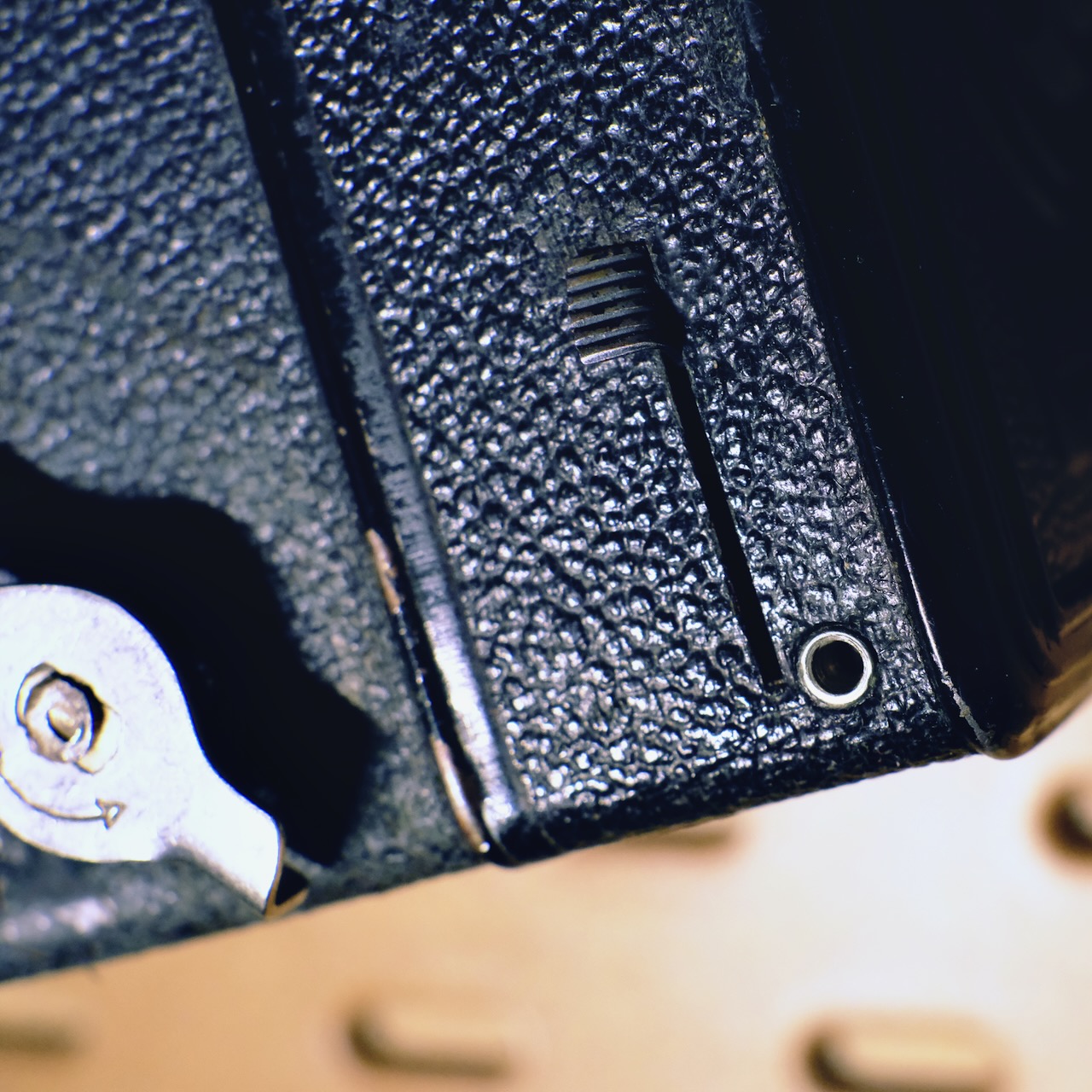
The camera barely has any controls. You can choose between a shutter speed (between 1/30 and 1/45 depending on the lunar phase) and manual exposure with a cable release. For the aperture, you have a choice between small, medium and large which roughly translates to “from f/11 to f/22”.

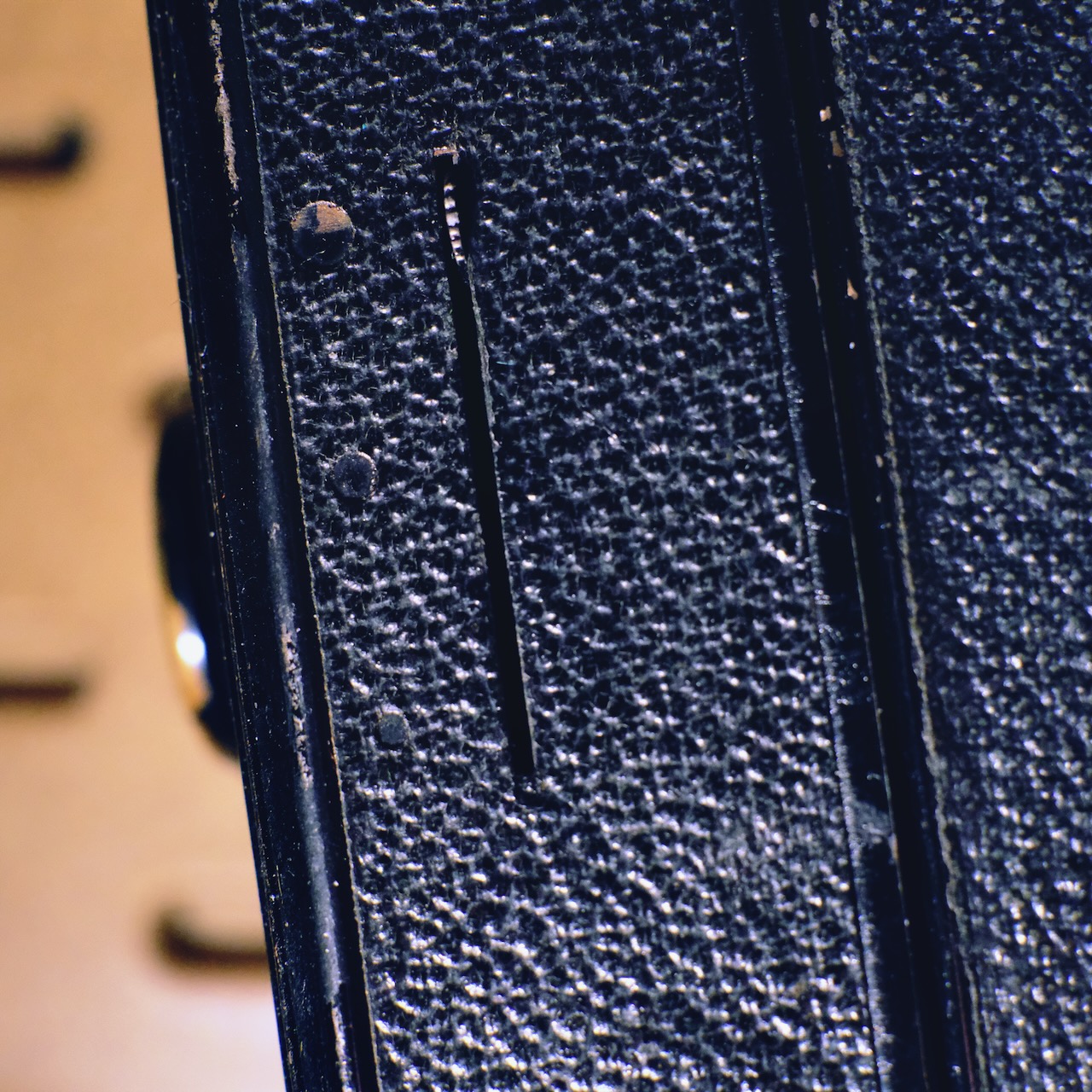
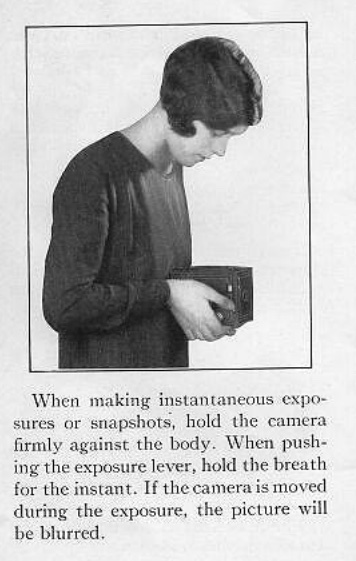
With the shutter speed like this, there’s no wonder Kodak wants you to hold it with an iron grip and stop breathing.
The shutter consists of two spring-loaded metal circles with slits that rotate over each other as you push the shutter lever.